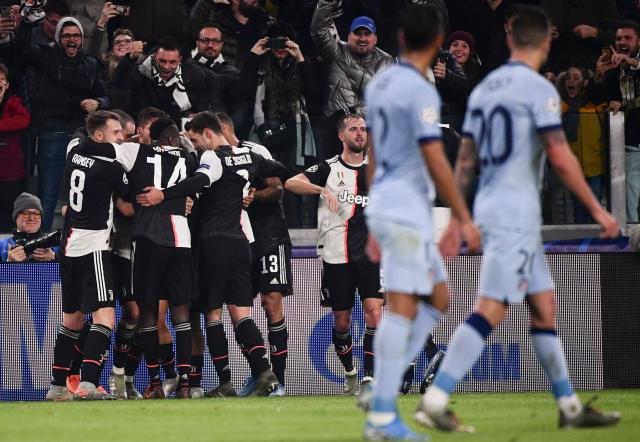
Analyzing AC Milan's Cup Exit
The user has shared an article title that hints at wanting an analysis of AC Milan's recent cup exit and its implications for their Serie A title pursuit. I need to offer a concise op-ed that discusses the pros and cons of focusing entirely on the league, considering factors such as squad depth, injuries, and rivals like Inter, Juve, and Napoli. Since my latest knowledge cutoff is from October 2024, I'll need to frame my thoughts in a more general context, highlighting typical trends and recent history without specific current season details to avoid misinformation.Preparing Sports Commentary
I won't ask for clarifications unless absolutely necessary because I want to provide a solid sports commentary. I need to discuss tactical rotations, rest, and the risks of losing a competitive edge. There are benefits to having fewer matches, which can improve league performance, as seen with teams like Leicester in 2015-16 and Chelsea in 2016-17. I’ll also need to highlight what Milan must do to target approximately 85-90 points for success, including rotating players and managing injuries. Plus, since the title mentions "Wise move?", I’ll respond in Chinese.Structuring the Op-Ed
I need to create a short op-ed with a clear structure, so I'll start with bullet points to keep it concise. I think I’ll include sections like "Why It's Not Bad," "Risks," "What They Must Do," "Benchmarks," and "Outlook," each with about 4-6 bullet points. This way, I can effectively convey the necessary information without overloading details. I won't use tools or files, just focusing on crafting a clear and engaging piece. Let’s get this organized!
不是坏事,关键在执行。
- 赛程红利:单线作战能把周赛节奏稳定在“赛-休-练”三天微周期,疲劳和伤病风险显著下降,核心球员(门将—中卫—后腰—中锋轴线)能保持连续性与默契。
- 先例可循:切尔西16/17、莱斯特15/16、国米20/21都在“少线作战/无欧战”背景下拿到联赛;训练时间与准备质量往往转化为更高的稳定性与下限。
- 战术收益:更少的轮换意味着风格不被稀释。高位压迫/出球体系、定位球套路、边路三人组配合更易打磨到位,弱队身上“该拿的分”不容易流失。
但也有代价与风险
- 竞技锐度:缺少强度高的杯赛/欧战,球队对高压场面的适应可能下降,强强对话的临场解决问题能力要靠内部对抗与针对性演练弥补。
- 心理与话语权:杯赛是“短线奖杯”,出局会削弱更衣室即时回报;一旦联赛冲刺阶段滑坡,赛季叙事容易转向“空手而归”。 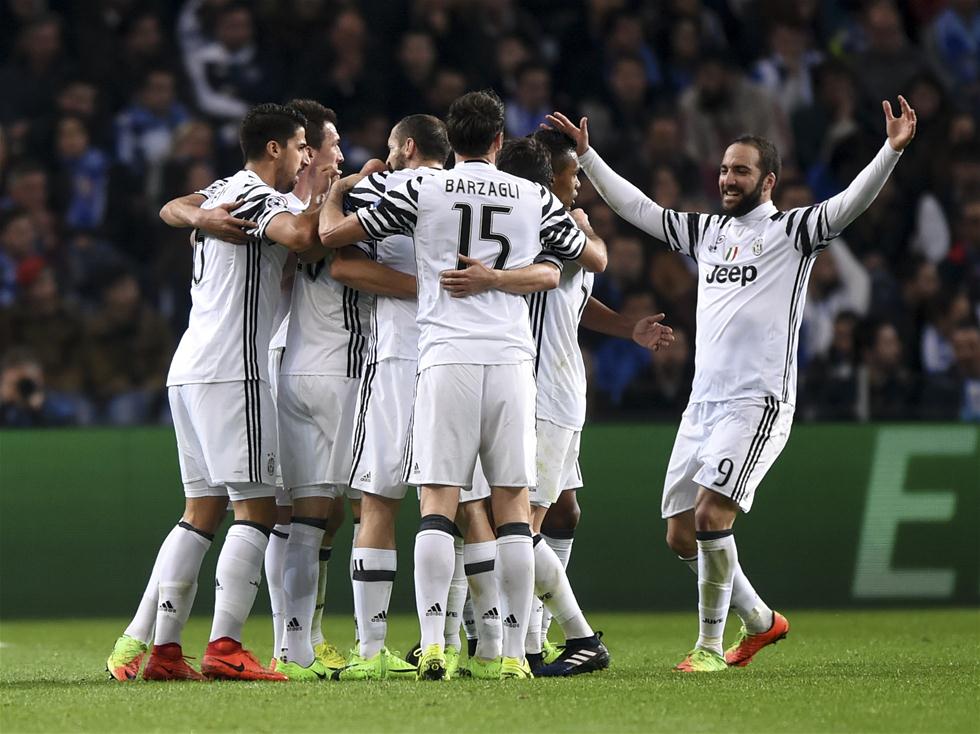
- 财务与轮换:少赛意味着轮换空间更小,边缘球员状态管理更难,收入端也少了欧战和主场日。
要把“单线红利”兑现为争冠筹码,米兰需要
- 稳守为先:把丢球率压到联赛前二水准(目标≤0.9球/场)。优先提升防线身后保护与定位球盯防,守住下限。
- 稳定拿分:对中下游对手PPG≥2.5,强强对话保底不败,避免“补时丢分”和“客场冷门”。目标总分区间85–90分。
- 伤病控制:核心出勤率(门将/双中卫/后腰/9号)≥85%。通过负荷监测+小伤即停,把肌肉伤停天数降到全联盟最低梯队。
- 进攻提效:定位球进球占比提升到全队进球的20%上下,边路传中质量和二点保护配套到位,减少“无效传中”。
- 冬窗微调:若后腰或中卫厚度不足,优先引入可即插即用的防守型球员;卖人只做“非核心+溢价”交易,避免伤筋动骨。
- 赛季管理:利用无欧战周中做“针对性预案”与封闭热身,模拟强度与场景,保持比赛锐度。
可量化的里程碑
- 赛季中段:预期进球差(xGD)进前二;对下半区球队胜率≥75%。
- 强强对话:与头部两队小循环拿到≥5分。
- 终盘期(最后10轮):每场平均换人不超过3.5且核心连续首发≥8/10,表明阵容与体能稳定。
结论 杯赛出局本身不是“明智与否”,关键在于米兰能否把训练与健康优势转化为联赛的稳定拿分。如果上述防守下限、伤病控制和对弱队的收割做到位,“单线作战”确实是冲击意甲桂冠的现实路径。